Slim Metrix Official Website › Metabolism Supplement Guide
Metabolism Supplement GuideThe Metabolism Supplement Guide: What the Ingredients Were Tested At
Nine ingredient families turn up in almost every metabolism formula on sale. This guide says what each has been tested for, at what daily amount, and what the pooled human result was. No product is named until the last section, and no dose here is a recommendation.
Written so that somebody comparing three labels can do it with the trial doses in front of them.
The two minerals: chromium and zinc
Two rows that carry a number, which is why they are the place to start.
Minerals are the easiest rows to read on any label in this category, because they carry a reference intake and therefore a percentage.
Chromium
usually as picolinateTrials at 200 to 1,000 mcgAn essential trace mineral involved in insulin signalling. It is the ingredient most often framed around sweet cravings.
the Cochrane review of chromium picolinate pooled arms at 200, 400, 500 and 1,000 mcg a day were the arms pooled; no dose gradient emerged. Onakpoya's 2013 meta-analysis and a 2019 meta-analysis in Clinical Obesity reached modest positive figures, with a 2019 meta-analysis in Clinical Obesity finding improvements concentrated in trials of 12 weeks or less at doses up to 400 mcg a day. a 2024 dose-response meta-analysis pooled fourteen randomised trials; no significant change in weight, BMI, fat mass or waist.
What to read on a label: the microgram figure. Below about 200 mcg a day it sits under every arm the pooled reviews looked at.
Zinc
usually as gluconate or picolinateTrials above a daily reference intakeEssential, involved in hundreds of enzyme reactions including several on the metabolic side.
Capdor's zinc meta-analysis pooled fourteen reports and 3,978 people; fasting glucose fell 0.19 mmol/L overall, with a larger effect in people who already had a metabolic condition. a 2024 GRADE-assessed review covered twenty-three trials; the authors rate the certainty of most outcomes low or very low. Maret and Sandstead on zinc requirements is the source to read on why more is not better.
What to read on a label: the milligram figure and the percentage beside it. A formula at half a reference intake is a top-up; one at several times it is a different decision and should be treated as one.
The botanical families, and what each was tested at
Eight families, each with the amount its trials used printed beside it.
Green tea catechins
Camellia sinensis90 mg EGCG three times dailyThe best-evidenced thermogenic row in the category. Dulloo's 24-hour chamber study used 90 mg EGCG plus 50 mg caffeine, three times a day, with meals and measured 24-hour energy expenditure directly. a 2011 energy-expenditure meta-analysis pooled it: energy expenditure rose in proportion to the milligrams given, 0.4 to 0.5 kJ per mg. Hursel's 2009 meta-analysis covered weight, eleven studies; catechins moved body weight by 1.31 kg, and habitual caffeine intake above 300 mg a day blunted it.
It also carries the category's only widely published safety caution. the United States Pharmacopeia safety review reported case reports span EGCG intakes from 140 mg to about 1,000 mg a day; USP added a label caution to take the extract with food and not on an empty stomach, and the DILIN green tea analysis explains why the risk is unpredictable.
What to read on a label: the EGCG standardisation, and whether the product tells you to take it with food.
Berberine
usually Berberis aristata1,000 to 1,500 mg dailyThe largest randomised human literature of any botanical in this category. Yin's 2008 trial used 0.5 g three times a day, so 1,500 mg daily, over three months; Zhang's 2008 trial used 1.0 g a day against placebo for three months; Lan's 2015 meta-analysis found the pooled trials cluster around 0.9 to 1.5 g a day in divided doses; Ju's 2018 lipid meta-analysis reported gram-scale daily dosing across the included trials.
It is also the row with the clearest interaction question. Hermann and von Richter's interaction review names the herbs that matter at commonly recommended doses, and Qiu's pharmacokinetic study found 30 and 100 mg/kg in rats raised digoxin exposure by 23 to 70 per cent.
What to read on a label: the milligram figure. Gram-scale trials and a blend total in the low hundreds are not the same product.
Resveratrol
Under 500 mg daily, three months or moreMousavi's dose-response meta-analysis pooled 28 trials; weight fell 0.51 kg, and the effect sat in trials under 500 mg a day running three months or longer. a 2021 umbrella review sits above those trials and reviews the meta-analyses rather than the trials, and grades the certainty low.
What to read on a label: the duration you are prepared to commit to. This is a row where three months is the shortest honest test.
Silymarin
Silybum marianumFour weeks minimum, gram scaleVoroneanu's 2016 meta-analysis found five trials, 270 patients; fasting glucose fell 26.86 mg/dL, on evidence the authors themselves call low quality. a 2025 insulin-sensitivity meta-analysis required six studies, 673 participants, at least four weeks of supplementation each.
What to read on a label: the standardisation, usually 80 per cent. It is also named as a CYP2C9 inhibitor in Hermann and von Richter's interaction review, which matters if you take anything regularly.
Capsaicinoids
Capsicum annuum1 g of pepper at a mealLudy and Mattes on red pepper served 1 g of red pepper served AT a meal; the effect was larger eaten than swallowed in a capsule. Janssens on capsaicin and fullness gave 2.56 mg of capsaicin, about 1.03 g of red chilli, with every meal.
What to read on a label: whether the product is designed around meals. This row's entire literature is about eating, and a once-daily capsule is not that design.
Ginsenosides
Panax ginseng6 g daily, split across mealsGenuinely split evidence. Vuksan's Korean red ginseng trial used 2 g at each meal, so 6 g a day, taken before eating and found a benefit. Reeds' negative ginseng trial used 8 g a day of root extract, or 250 to 500 mg a day of ginsenoside Re, for 30 days and found none.
What to read on a label: the gram figure, and whether both halves of this literature are acknowledged anywhere on the page selling it.
Corosolic acid
Lagerstroemia speciosaNo pooled human doseStohs' banaba review is a narrative review across animal, human and in-vitro work rather than a pooled human dose.
What to read on a label: the standardisation percentage, usually 1 to 2 per cent. A percentage of an unstated amount is not a dose.
Alpha lipoic acid
No detectable dose relationshipKucukgoncu's weight meta-analysis pooled ten double-blind trials; 1.27 kg more weight lost than placebo, with no dose relationship detectable. a 2021 dose-response meta-analysis models the response against both the daily amount and the length of the trial.
What to read on a label: this is the one row where a smaller amount is not automatically worse, because no relationship between dose and result has been demonstrated in either direction.
How to read a proprietary blend
Four label shapes, and what each one lets a reader work out.
Most labels in this category print a blend rather than a row-by-row breakdown, and there are two honest things to say about that.
The first is that it is a commercial decision rather than a dishonest one. A full breakdown is a recipe, and a recipe can be copied by anybody with a contract manufacturer and a week.
The second is that it makes comparison with a trial impossible, and no amount of confident writing changes that. A blend of 300 mg across six botanicals cannot reach a dose that used 1,000 mg of one of them, whatever the split.
| What the label prints | What you can work out | What you cannot |
|---|---|---|
| A full row-by-row panel | Everything. Each amount against each trial. | Nothing. This is the best case and it is uncommon. |
| A blend total and some rows | The rows with figures, and a ceiling on all the others together. | How the total splits. An even split is an assumption. |
| A blend total only | A ceiling on everything in it. | Any individual amount at all. |
| A list with no amounts anywhere | Which ingredients are present. | Anything quantitative. This is the case to be most careful with. |
Reading down the left column is the single most useful thing anybody can do with a label in this category.
The arithmetic to do in the second and third rows is simple and it is worth doing out loud. Divide the total by the number of botanicals sharing it. That is the largest an even share could be. Then compare it with the trial doses in the sections above. In most products in this category the comparison is not close, and knowing that before buying is worth more than any review.
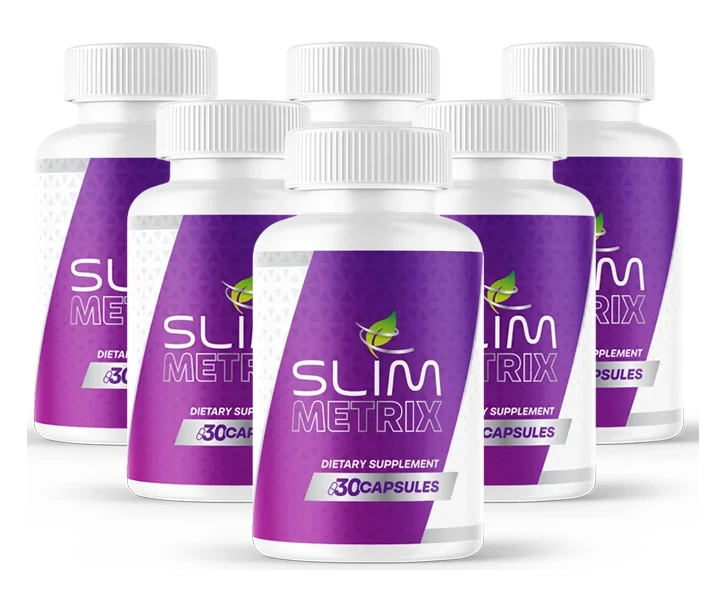
Applying all of that to Slim Metrix
Ten families, and what this desk's own product prints against each.
This is the last section for a reason: everything above is true whether or not you ever buy anything from this desk.
| Family | Trial scale | What Slim Metrix prints |
|---|---|---|
| Chromium | 200 to 1,000 mcg | 50 mcg, below every arm those reviews pooled |
| Zinc | Above a reference intake | 5.5 mg, half a reference intake |
| Green tea | 90 mg EGCG three times a day | Inside a 276 mg blend |
| Berberine | 1,000 to 1,500 mg a day | Inside the same 276 mg blend |
| Resveratrol | Under 500 mg a day | Inside the same blend |
| Silymarin | Gram scale, four weeks | Inside the same blend |
| Capsaicinoids | 1 g of pepper at a meal | Inside the same blend |
| Ginsenosides | 6 g a day | Inside the same blend |
| Corosolic acid | No pooled dose | Inside the same blend |
| Alpha lipoic acid | No dose relationship | Inside the same blend |
Two printed figures and one shared total, set against the trial scale for each family.
Read down that table and the conclusion is the same one the ingredients page reaches: this is a well-chosen ingredient list at amounts nobody outside the manufacturer can check, sold in a format people actually keep taking. Both halves of that sentence are true and a reader should weigh them for themselves.
Sources for this guide
- Tian H, Guo X, Wang X, et al. Chromium picolinate supplementation for overweight or obese adults. Cochrane Database Syst Rev. 2013;2013(11):CD010063. PMID 24293292. https://pubmed.ncbi.nlm.nih.gov/24293292/
- Onakpoya I, Posadzki P, Ernst E. Chromium supplementation in overweight and obesity: a systematic review and meta-analysis of randomized clinical trials. Obes Rev. 2013;14(6):496-507. PMID 23495911. https://pubmed.ncbi.nlm.nih.gov/23495911/
- Tsang C, Taghizadeh M, Aghabagheri E, et al. A meta-analysis of the effect of chromium supplementation on anthropometric indices of subjects with overweight or obesity. Clin Obes. 2019;9(4):e12313. PMID 31115179. https://pubmed.ncbi.nlm.nih.gov/31115179/
- Vajdi M, Khajeh M, Safaei E, et al. Effects of chromium supplementation on body composition in patients with type 2 diabetes: A dose-response systematic review and meta-analysis of randomized controlled trials. J Trace Elem Med Biol. 2024;81:127338. PMID 37952433. https://pubmed.ncbi.nlm.nih.gov/37952433/
- Capdor J, Foster M, Petocz P, et al. Zinc and glycemic control: a meta-analysis of randomised placebo controlled supplementation trials in humans. J Trace Elem Med Biol. 2013;27(2):137-42. PMID 23137858. https://pubmed.ncbi.nlm.nih.gov/23137858/
- Nazari M, Nikbaf-Shandiz M, Pashayee-Khamene F, et al. Zinc Supplementation in Individuals with Prediabetes and type 2 Diabetes: a GRADE-Assessed Systematic Review and Dose-Response Meta-analysis. Biol Trace Elem Res. 2024;202(7):2966-2990. PMID 37870684. https://pubmed.ncbi.nlm.nih.gov/37870684/
- Maret W, Sandstead HH. Zinc requirements and the risks and benefits of zinc supplementation. J Trace Elem Med Biol. 2006;20(1):3-18. PMID 16632171. https://pubmed.ncbi.nlm.nih.gov/16632171/
- Dulloo AG, Duret C, Rohrer D, et al. Efficacy of a green tea extract rich in catechin polyphenols and caffeine in increasing 24-h energy expenditure and fat oxidation in humans. Am J Clin Nutr. 1999;70(6):1040-5. PMID 10584049. https://pubmed.ncbi.nlm.nih.gov/10584049/
- Hursel R, Viechtbauer W, Westerterp-Plantenga MS. The effects of green tea on weight loss and weight maintenance: a meta-analysis. Int J Obes (Lond). 2009;33(9):956-61. PMID 19597519. https://pubmed.ncbi.nlm.nih.gov/19597519/
- Hursel R, Viechtbauer W, Dulloo AG, et al. The effects of catechin rich teas and caffeine on energy expenditure and fat oxidation: a meta-analysis. Obes Rev. 2011;12(7):e573-81. PMID 21366839. https://pubmed.ncbi.nlm.nih.gov/21366839/
- Oketch-Rabah HA, Roe AL, Rider CV, et al. United States Pharmacopeia (USP) comprehensive review of the hepatotoxicity of green tea extracts. Toxicol Rep. 2020;7:386-402. PMID 32140423. https://pubmed.ncbi.nlm.nih.gov/32140423/
- Hoofnagle JH, Bonkovsky HL, Phillips EJ, et al. HLA-B*35:01 and Green Tea-Induced Liver Injury. Hepatology. 2021;73(6):2484-2493. PMID 32892374. https://pubmed.ncbi.nlm.nih.gov/32892374/
- Yin J, Xing H, Ye J. Efficacy of berberine in patients with type 2 diabetes mellitus. Metabolism. 2008;57(5):712-7. PMID 18442638. https://pubmed.ncbi.nlm.nih.gov/18442638/
- Zhang Y, Li X, Zou D, et al. Treatment of type 2 diabetes and dyslipidemia with the natural plant alkaloid berberine. J Clin Endocrinol Metab. 2008;93(7):2559-65. PMID 18397984. https://pubmed.ncbi.nlm.nih.gov/18397984/
- Lan J, Zhao Y, Dong F, et al. Meta-analysis of the effect and safety of berberine in the treatment of type 2 diabetes mellitus, hyperlipemia and hypertension. J Ethnopharmacol. 2015;161:69-81. PMID 25498346. https://pubmed.ncbi.nlm.nih.gov/25498346/
- Ju J, Li J, Lin Q, et al. Efficacy and safety of berberine for dyslipidaemias: A systematic review and meta-analysis of randomized clinical trials. Phytomedicine. 2018;50:25-34. PMID 30466986. https://pubmed.ncbi.nlm.nih.gov/30466986/
- Qiu W, Jiang XH, Liu CX, et al. Effect of berberine on the pharmacokinetics of substrates of CYP3A and P-gp. Phytother Res. 2009;23(11):1553-8. PMID 19370549. https://pubmed.ncbi.nlm.nih.gov/19370549/
- Hermann R, von Richter O. Clinical evidence of herbal drugs as perpetrators of pharmacokinetic drug interactions. Planta Med. 2012;78(13):1458-77. PMID 22855269. https://pubmed.ncbi.nlm.nih.gov/22855269/
- Mousavi SM, Milajerdi A, Sheikhi A, et al. Resveratrol supplementation significantly influences obesity measures: a systematic review and dose-response meta-analysis of randomized controlled trials. Obes Rev. 2019;20(3):487-498. PMID 30515938. https://pubmed.ncbi.nlm.nih.gov/30515938/
- Zeraattalab-Motlagh S, Jayedi A, Shab-Bidar S. The effects of resveratrol supplementation in patients with type 2 diabetes, metabolic syndrome, and nonalcoholic fatty liver disease: an umbrella review of meta-analyses of randomized controlled trials. Am J Clin Nutr. 2021;114(5):1675-1685. PMID 34320173. https://pubmed.ncbi.nlm.nih.gov/34320173/
- Voroneanu L, Nistor I, Dumea R, et al. Silymarin in Type 2 Diabetes Mellitus: A Systematic Review and Meta-Analysis of Randomized Controlled Trials. J Diabetes Res. 2016;2016:5147468. PMID 27340676. https://pubmed.ncbi.nlm.nih.gov/27340676/
- Yin S, Zhu F, Liu Y, et al. Effects of silymarin on insulin resistance and sensitivity: A systematic review and meta-analysis of randomized controlled trials. Diabetes Res Clin Pract. 2025;220:112008. PMID 39855603. https://pubmed.ncbi.nlm.nih.gov/39855603/
- Ludy MJ, Mattes RD. The effects of hedonically acceptable red pepper doses on thermogenesis and appetite. Physiol Behav. 2011;102(3-4):251-8. PMID 21093467. https://pubmed.ncbi.nlm.nih.gov/21093467/
- Janssens PL, Hursel R, Westerterp-Plantenga MS. Capsaicin increases sensation of fullness in energy balance, and decreases desire to eat after dinner in negative energy balance. Appetite. 2014;77:44-9. PMID 24630935. https://pubmed.ncbi.nlm.nih.gov/24630935/
- Vuksan V, Sung MK, Sievenpiper JL, et al. Korean red ginseng (Panax ginseng) improves glucose and insulin regulation in well-controlled, type 2 diabetes: results of a randomized, double-blind, placebo-controlled study of efficacy and safety. Nutr Metab Cardiovasc Dis. 2008;18(1):46-56. PMID 16860976. https://pubmed.ncbi.nlm.nih.gov/16860976/
- Reeds DN, Patterson BW, Okunade A, et al. Ginseng and ginsenoside Re do not improve beta-cell function or insulin sensitivity in overweight and obese subjects with impaired glucose tolerance or diabetes. Diabetes Care. 2011;34(5):1071-6. PMID 21411505. https://pubmed.ncbi.nlm.nih.gov/21411505/
- Stohs SJ, Miller H, Kaats GR. A review of the efficacy and safety of banaba (Lagerstroemia speciosa L.) and corosolic acid. Phytother Res. 2012;26(3):317-24. PMID 22095937. https://pubmed.ncbi.nlm.nih.gov/22095937/
- Kucukgoncu S, Zhou E, Lucas KB, et al. Alpha-lipoic acid (ALA) as a supplementation for weight loss: results from a meta-analysis of randomized controlled trials. Obes Rev. 2017;18(5):594-601. PMID 28295905. https://pubmed.ncbi.nlm.nih.gov/28295905/
- Mahmoudi-Nezhad M, Vajdi M, Farhangi MA. An updated systematic review and dose-response meta-analysis of the effects of alpha-lipoic acid supplementation on glycemic markers in adults. Nutrition. 2021;82:111041. PMID 33199187. https://pubmed.ncbi.nlm.nih.gov/33199187/
Order Slim Metrix with the whole category in front of you
Ten ingredient families, the dose each was tested at, and a product scored against all ten in public.
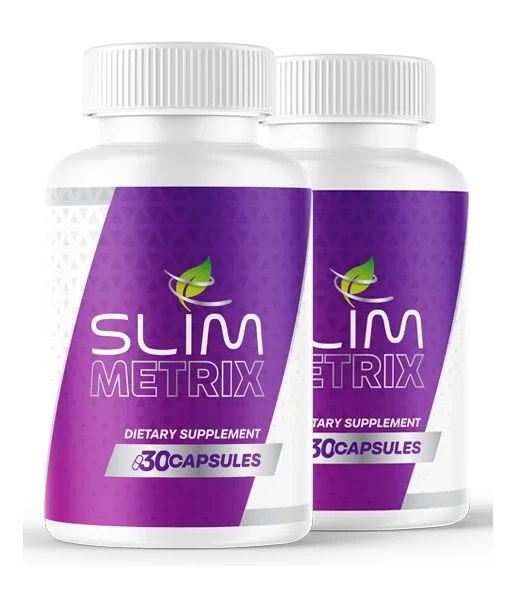
Two bottles $158 · six bottles $294 · 60-day money-back guarantee
Order Slim Metrix On The Official WebsiteOne capsule a day · 30 per bottle · lot SLI-26/SL-5338